Care Management

CarePath Program

CarePath is the central program through which IGH Homecare & Concierge Solutions presents its care management and related healthcare services. Our goal is to help individuals connect with appropriate support, navigate healthcare needs, and access services that may be available to them.
Prefer to talk? Call 501-205-0008.
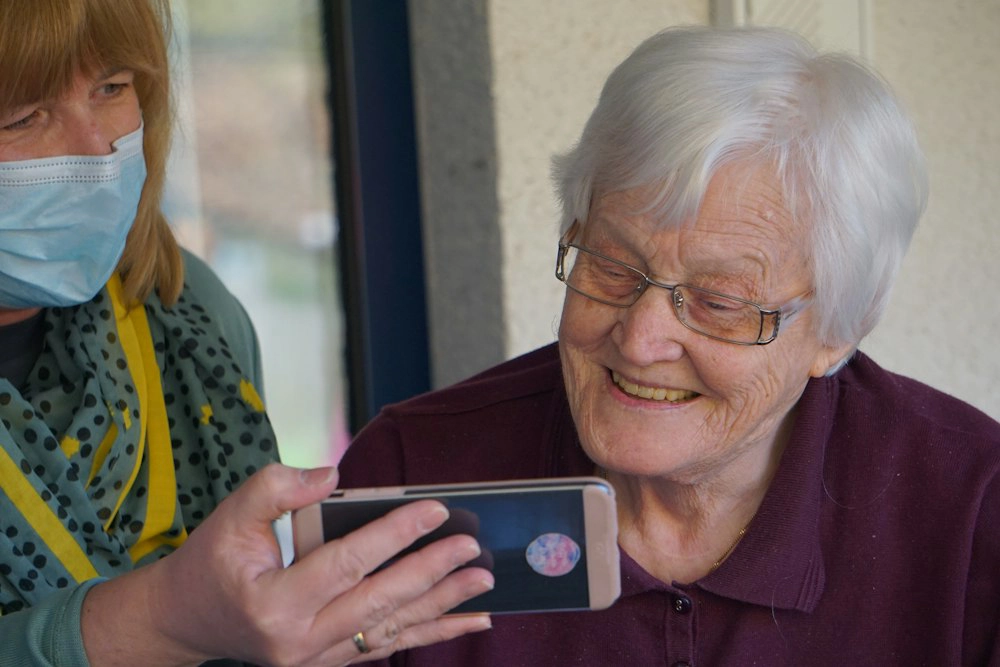
An older woman at home holds a smartphone, ready for a check-in call
Compare Services

Which Service Fits?

Not every individual qualifies for every service. Eligibility depends on the person’s coverage, medical history, and program rules.
A clinician shows a patient information on a tablet
ServiceProgram / coverage typeBest fit
Chronic Care ManagementTypically MedicareMultiple ongoing chronic conditions; broad coordination
Principal Care ManagementTypically MedicareOne serious or high-risk chronic condition
Behavioral Health IntegrationTypically MedicareBehavioral health needs alongside medical care
Remote Therapeutic MonitoringTypically MedicareTechnology-supported monitoring of a respiratory or musculoskeletal therapy plan
Remote Patient Monitoring (coming soon)Typically MedicareFDA-approved device monitoring of vital signs and health data
Community Health IntegrationTypically MedicareSocial or community barriers affecting health
Transitional Care ManagementMedicareRecently discharged from a hospital or other qualifying facility (must enroll within 24–48 hours of discharge)
Targeted Case ManagementArkansas MedicaidEligible individuals needing help accessing medical, social, educational, or community services
CarePath Services

Care Management Services

CarePath Services
01
Chronic Care Management
02
Principal Care Management
03
Behavioral Health Integration
04
Remote Therapeutic Monitoring
05
Remote Patient Monitoring (Coming soon)
06
Community Health Integration
07
Transitional Care Management
08
Targeted Case Management
01
Chronic Care Management in Arkansas

Chronic Care Management (CCM)

Typically Medicare
Active
What it is
Ongoing, month-to-month support for people living with multiple chronic conditions. Between doctor visits, our care team helps keep everything coordinated.
Who it may be for
Eligible individuals with two or more chronic conditions expected to last at least a year. Eligibility depends on the person’s coverage and medical history. Not everyone qualifies.
You may be eligible for this service.
What IGH does
Builds a personalized care plan with an IGH nurse practitioner
Check-in calls scheduled weekly, biweekly, or monthly, based on your care plan
Coordination with the person’s doctors and other providers
Appointment and follow-up support
Connections to community resources
Cost
The exact cost depends on your insurance, and many people pay little or nothing out of pocket — especially with Medicare supplemental (Medigap) coverage or Medicaid as a secondary payer, which often covers the Part B coinsurance. We’ll review your specific costs before enrolling you, and if cost is a concern, contact us — we have options for financial hardship.
How to get started
Request Care and select Chronic Care Management, or providers can Refer a Client. IGH notifies the person’s primary care provider and requests records as part of enrollment.
02

Principal Care Management (PCM)

Typically Medicare
Active
What it is
Focused, month-to-month care management for a person with one serious, complex chronic condition, such as advanced heart failure, uncontrolled diabetes, or severe COPD.
Who it may be for
Eligible individuals with one complex chronic condition expected to last at least three months, where the condition creates a real risk of hospitalization, a flare-up, or a decline in daily functioning.
You may be eligible for this service.
Difference from CCM: CCM covers two or more chronic conditions; PCM concentrates on the one condition driving the person’s care.
What IGH does
Builds a care plan focused on that one condition
Check-ins scheduled weekly, biweekly, or monthly based on the person’s needs — more often if something urgent comes up
Medication and treatment adjustments coordinated with the person’s provider
Coordination with the person’s other providers as needed
Cost
The exact cost depends on your insurance, and many people pay little or nothing out of pocket — especially with Medicare supplemental (Medigap) coverage or Medicaid as a secondary payer, which often covers the Part B coinsurance. We’ll review your specific costs before enrolling you, and if cost is a concern, contact us — we have options for financial hardship.
How to get started
Request Care and select Principal Care Management, or providers can Refer a Client.
03

Behavioral Health Integration (BHI)

Typically Medicare
Active
What it is
Brings behavioral health needs, such as depression, anxiety, or substance use, into the person’s broader health care so they are not treated separately.
Who it may be for
Eligible individuals with a behavioral health condition that is part of their overall care. A formal diagnosis does not need to be finalized before starting — it can be identified and refined over time.
You may be eligible for this service.
What IGH does
Regular check-ins focused on emotional and behavioral health
Standard screening tools used to track progress over time
Coordination between the person’s medical and behavioral health care
A personalized behavioral health support plan
Cost
The exact cost depends on your insurance, and many people pay little or nothing out of pocket — especially with Medicare supplemental (Medigap) coverage or Medicaid as a secondary payer, which often covers the Part B coinsurance. We’ll review your specific costs before enrolling you, and if cost is a concern, contact us — we have options for financial hardship.
How to get started
Request Care and select Behavioral Health Integration, or providers can Refer a Client.
A healthcare professional talks on the phone at his desk
04

Remote Therapeutic Monitoring (RTM)

Typically Medicare
Active
What it is
Technology-supported monitoring that helps a care team follow a person’s progress with a therapy plan between visits.
Who it may be for
Eligible individuals following an active therapy plan of care — for respiratory or musculoskeletal conditions — who can benefit from tracking their progress and adherence between visits using an approved device or app.
You may be eligible for this service.
What IGH does
Setup and education on the monitoring device
Ongoing tracking of therapy adherence and response for respiratory and musculoskeletal conditions
Regular check-ins to review progress with the person’s provider
Adjustments to the therapy plan as needed
Cost
The exact cost depends on your insurance, and many people pay little or nothing out of pocket — especially with Medicare supplemental (Medigap) coverage or Medicaid as a secondary payer, which often covers the Part B coinsurance. We’ll review your specific costs before enrolling you, and if cost is a concern, contact us — we have options for financial hardship.
How to get started
Ask About This Service.
05

Remote Patient Monitoring (RPM)

Typically Medicare
Coming soon
What it is
Remote Patient Monitoring uses FDA-approved devices — such as blood pressure cuffs, glucose monitors, weight scales, and pulse oximeters — to track a person’s vital signs and health data between visits, so changes can be caught early.
Who it may be for
Eligible individuals with an acute or chronic condition who could benefit from ongoing tracking of vitals such as blood pressure, blood sugar, weight, or oxygen levels.
What IGH does
Provides and sets up an approved monitoring device
Reviews the data transmitted from the device
Monthly check-ins to discuss readings and any changes needed
Coordination with the person’s provider if something needs attention
How to get started
Not yet available.
06

Community Health Integration (CHI)

Typically Medicare
Active
What it is
Support for people whose health is affected by non-medical barriers — such as transportation, housing, or food access — that make it harder to follow through on medical care.
Who it may be for
Eligible individuals facing a documented social barrier identified during a recent visit with a provider. There is no limit on which medical condition is involved; the focus is the barrier itself.
You may be eligible for this service.
Not the same as Targeted Case Management, which is a separate Arkansas Medicaid program.
What IGH does
Help connecting to community resources such as transportation, food, or housing assistance
Support navigating programs and services
Ongoing follow-up on the plan created during the visit
Cost
The exact cost depends on your insurance, and many people pay little or nothing out of pocket — especially with Medicare supplemental (Medigap) coverage or Medicaid as a secondary payer, which often covers the Part B coinsurance. We’ll review your specific costs before enrolling you, and if cost is a concern, contact us — we have options for financial hardship.
How to get started
Ask About This Service or Refer a Client.
An older couple walks arm in arm outdoors
07

Transitional Care Management

Medicare
Active
What it is
Support in the weeks after someone leaves a hospital, skilled nursing facility, or other qualifying setting, to help the transition home go smoothly. This is a Medicare service and is different from Targeted Case Management.
Who it may be for
Eligible patients who have recently been discharged from a qualifying healthcare setting.
You may be eligible for this service.
Timing matters: IGH must be contacted within 24–48 hours of discharge to enroll someone in this service — after that window, we’re no longer able to take them.
What IGH does
Initial follow-up contact within 24–48 hours of discharge
Coordination with the person’s provider
Review of discharge instructions and medications where applicable
Help connecting to needed services
Ongoing follow-up monthly or as needed
Cost
The exact cost depends on your insurance, and many people pay little or nothing out of pocket — especially with Medicare supplemental (Medigap) coverage or Medicaid as a secondary payer, which often covers the Part B coinsurance. We’ll review your specific costs before enrolling you, and if cost is a concern, contact us — we have options for financial hardship.
How to get started
Ask About This Service, or providers can Refer a Client — as soon as possible after discharge.
08

Targeted Case Management

Arkansas Medicaid
Active
What it is
For eligible individuals, help accessing and coordinating medical, social, educational, and community services under Arkansas Medicaid program rules.
Who it may be for
You must have Arkansas Medicaid to be eligible for this service.
You may be eligible for this service.
What IGH does
Care planning
Referrals and coordination with services
Ongoing follow-up (regular phone contact, monthly or as needed)
Cost
For eligible Arkansas Medicaid beneficiaries, this service is typically provided at little or no cost. We’ll confirm your specific coverage before starting.
How to get started
Ask About This Service, or providers can Refer a Client.
Service availability depends on eligibility, program requirements, and coverage. Information on this website is general and is not medical advice.

Let’s Find the Right Starting Point.

Call 501-205-0008 · Monday – Friday, 9:00 a.m. – 3:00 p.m.